
Can a 20-Member Drums Group Fix a Silent Stadium?
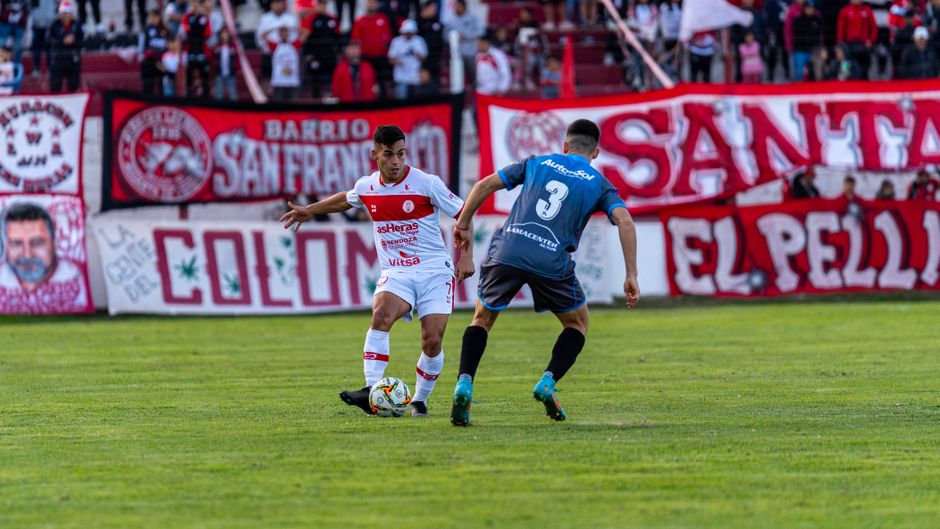
The first time you stand in the curve of a proper European ultras section, the sound doesn't hit your ears first — it hits your chest. Twenty-four bass drums, a snare line, a wall of voices, and a guy on a megaphone who looks like he’s conducting a small, furious orchestra. Then you walk three blocks away, and you hear it again, muffled through concrete. That's not atmosphere. That's architecture. And it's paid for, organized, and rehearsed with the same rigor as the team itself.
So the question buzzing around clubs with half-empty, whisper-quiet grounds is a fair one: can a 20-member drums group actually fix a silent stadium? Short answer: yes, but not the way most executives imagine. Long answer involves capos, money, culture, and a healthy respect for the people holding the sticks.
First, What a “Paid Capo” Actually Is
If you're used to the Premier League or MLS, the word “capo” might bring to mind a supporter with a megaphone standing on a rail. In Argentina, Brazil, Italy, and much of Eastern Europe, the capo is a role with responsibilities, status, and often a salary. They lead chants, set tempo, read the room, and act as the bridge between the stands and the pitch. Some clubs pay them openly. Others fund them through supporter groups or fan-run “barras” organizations with their own internal budgets.
The drum squad is the rhythm section of that operation. A typical paid setup might include:
- One or two capos on raised platforms or railings with megaphones or small PA systems
- Six to twelve bass drums (bombos) for the low-end heartbeat that carries across the stadium
- A snare line of four to eight players handling faster, sharper patterns
- A cymbal or hand-percussion player for accents and fills
- One “conductor” who communicates with the capo and keeps the squad locked in time
That's your 20-person group. Twenty people, organized, can genuinely change the acoustic personality of a 30,000-seat ground — if they're placed correctly and supported properly.
The Acoustic Math of Twenty Drums
Here's where it gets concrete. A single bass drum in an open bowl travels, but it doesn't fill. Grouped bombos struck in unison create a much lower fundamental frequency and a natural reverb that fills the concrete under your feet. In grounds with metal roofs (think much of South America and southern Europe), twenty drums in a covered corner can generate roughly 95 to 105 decibels at field level — enough to drown out a nervous silence and, honestly, enough to make a visiting keeper look over his shoulder.
Placement matters more than volume. The classic mistake is putting the drum squad in a central, flat section where half the sound dies in the crowd. The pros put them: A detailed guide is available at xoilac.
- In a corner or behind a goal where the architecture reflects sound back onto the pitch.
- Under a roof or overhang when available, because the reflected sound doubles perceived volume.
- Split into two clusters so rhythm travels across the stadium rather than blasting one stand.
Twenty people can't out-sing 20,000 empty seats. But twenty people can kickstart 20,000 seated fans. The drums don't replace the crowd — they give it a spine.
The Money Question Nobody Wants to Ask
Rough numbers, from people who run these setups: a paid capo in a serious Latin American or Eastern European fan culture might earn somewhere between a modest monthly stipend and a full-time wage, depending on the club's resources and the capo's profile. Drum squads are often funded through a mix of club support, supporter-group fundraising, and merchandise. Instruments, skins, transport, storage, and yes, replacing broken sticks, all cost money. A functional 20-person unit with instruments, storage, and travel might run a club anywhere from the equivalent of a youth-team budget line to a fully amateur, self-funded operation.
That's the uncomfortable part for boards trying to fabricate atmosphere: you can't buy a culture in a spreadsheet. What you can do is support people already doing the work — and that distinction matters enormously.
Where the Model Runs Into Trouble
The romantic version of paid capos and drum squads is glorious. The reality has sharp edges. In some countries, the most organized fan groups wield real power, sometimes uncomfortable power, and clubs have been known to pay for atmosphere while quietly negotiating with groups whose influence extends beyond drums. The line between “supporter culture” and “institutional problem” is thin, and pretending otherwise is naive.
The other trap is transplanting. You can hire twenty drummers tomorrow. You cannot hire the neighborhood culture that taught them to sing for ninety minutes without stopping, through a 0-3 defeat, in the rain. Silence in a stadium is rarely a drum problem. It's usually a connection problem.
What Actually Works: A Practical Playbook
If your club is serious about a drum-led atmosphere push, here's the honest sequence:
- Find the existing singers first. They're already there, usually in one pocket of the ground. Build around them, not over them.
- Talk to the drummers, don't hire strangers. Pay the people who have been bringing their own drums for years.
- Give them a real home. A dedicated section, storage space, and permission to be loud. Concrete support beats a PR photo-op.
- Protect the tempo. The capo and the lead bombo must be in sync. When rhythm and voice drift apart, the stadium notices before anyone in the offices does.
- Rehearse. Good squads rehearse. That feels silly until you hear the difference.
One more thing: give the squad a microphone-free voice in club decisions about matchday atmosphere. The people who make the noise know better than anyone which stands are dead, which chants land, and which songs should be retired.
The Honest Answer
Can a 20-member drums group fix a silent stadium? It can crack the silence open. It can give a bored home crowd a rhythm to join, give players a wall of sound to run toward, and give a struggling club back that strange, irrational feeling that the stands are part of the result. What it can't do is substitute for trust, history, and a fan base that feels wanted.
In the countries where this works best — Argentina, Brazil, Italy, the Balkans — the drums are not the product. They are the heartbeat of something already alive. Build the life first, and the rhythm will find it. Or, more practically: hand twenty committed people some drums, a corner with good acoustics, and a fair wage, and watch what a silent stadium does when someone finally gives it permission to roar.
