
iGaming Unlocked: Casino, Betting, Slots, and Poker Secrets
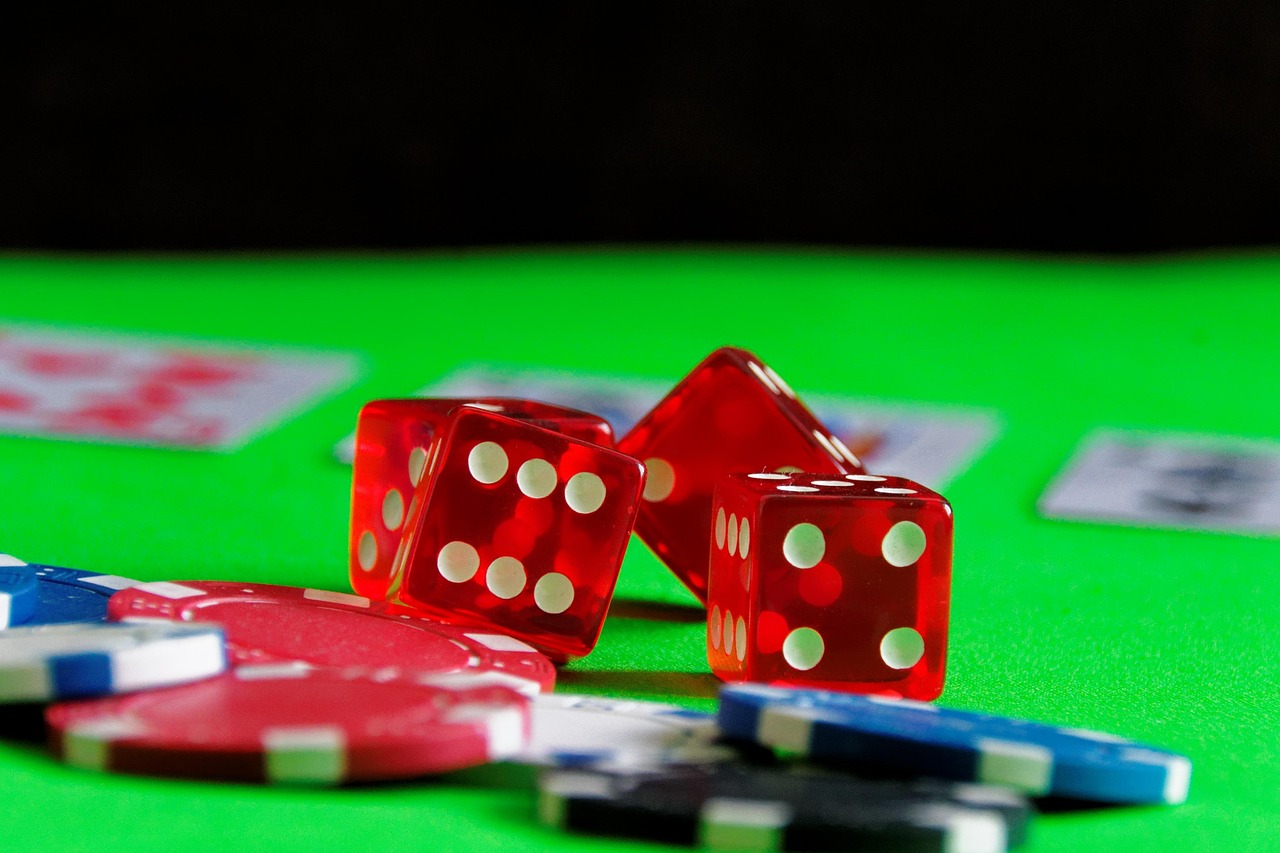
You know that electric jolt when a slot machine's reels align perfectly? Or the rush of a river card completing your flush? That's the heartbeat of iGaming. It's not just about luck—it's a sprawling universe of strategy, psychology, and math, all accessible from your screen. Whether you're a seasoned bettor or a curious newbie, understanding the gears behind the glitter can transform how you play. Let's pull back the curtain on casino games, sports betting, slots, and poker, and explore what actually separates the winners from the donors.
Casino Games: Beyond the Neon Lights
Step into a virtual casino and you'll find a familiar lineup: blackjack, roulette, baccarat, and a galaxy of slot machines. But each game carries its own mathematical DNA. Take blackjack—it's the only game where your decisions measurably shift the odds. Basic strategy, a set of mathematically optimal moves, can lower the house edge to roughly 0.5%. Compare that to roulette, where the double-zero wheel gives the house a 5.26% edge, and you see why serious players gravitate toward skill-based tables.
Baccarat, surprisingly, often has the lowest house edge of all—just 1.06% on the banker bet. It's pure chance, but the numbers don't lie. Roulette, on the other hand, is a game of nerves and patterns. The Martingale system (doubling after losses) feels safe until you hit a table limit or a cold streak. Tip: never bet more than 5% of your bankroll on a single spin, no matter how "due" a number seems.
Slots: The Engine of iGaming
Slots are the billion-dollar beasts of the industry, and for good reason: they're simple, flashy, and occasionally life-changing. But not all slots are created equal. The key metric is RTP (Return to Player)—the percentage of wagered money returned to players over time. A slot with 96% RTP is far friendlier than one at 92%. Always check the paytable or game info before spinning.
Volatility matters too. High-volatility slots (like Book of Dead) pay rarely but can drop massive wins. Low-volatility slots (like Starburst) pay frequently in small amounts. Which suits you? If you want to stretch your bankroll, go low. If you're chasing a jackpot, go high.
- Progressive jackpots: A tiny portion of each bet feeds a growing prize pool. Mega Moolah has paid out over $20 million to single winners.
- Megaways: These slots offer up to 117,649 ways to win, changing with every spin.
- Bonus buy: Many modern slots let you purchase free spins directly, but the cost often inflates the house edge.
One concrete tip: set a loss limit before you spin. The autoplay button is a trap—it turns a fun session into a mindless money drain.
Sports Betting: Where Knowledge Meets Value
Sports betting isn't just picking a winner; it's about finding value. The odds reflect implied probability. If a team is priced at +200 (American odds), the implied chance is 33.3%. But if your research says their true chance is 40%, that's a value bet. The bookmaker's margin (the vig) usually sits around 5-10%, so beating the closing line is the mark of a sharp. Take a look at สล็อตเว็บตรง for a fuller picture.
Bankroll management is non-negotiable. Flat betting—staking the same amount on every pick—is the safest path for beginners. Chasing losses with parlay bets? That's how you torch a bankroll. Consider this: a three-team parlay at +600 has a 14.3% implied probability, but if each leg is a coin flip, the real chance is 12.5%. The house edge compounds brutally.
Live betting adds another layer. Odds shift with every play, and in-game stats (possession, shots on target, foul trouble) can reveal inefficiencies. But speed matters—hesitate and the value vanishes.
Poker: The Long Game of Skill
Poker is the only iGaming vertical where you play against other people, not the house. That means your edge comes from exploiting opponents' mistakes. In Texas Hold'em, position is king. Acting last gives you information—you see what everyone does before you decide. Playing tight-aggressive (few hands, strong bets) is the bedrock of winning strategy.
But the real money lies in reading ranges, not specific hands. When a tight player raises from early position, they likely hold premium cards (AA, KK, QQ, AK). When a loose player calls from the button, their range is wide. Adjust your play accordingly.
- Bankroll rule: Never buy into a cash game with more than 5% of your total poker bankroll.
- Tournament tip: In the early stages, play tight. As blinds rise, switch to aggression.
- Mental game: Tilt—playing emotionally after a bad beat—is the number one bankroll killer. Take a break.
Online poker adds tools like HUDs (heads-up displays) that track opponent tendencies. But many sites now ban them, so check the rules. And remember: variance is brutal. Even a 60% favorite loses 40% of the time. The skill is in the long run.
Bankroll Management: The Unsexy Secret
Ask any pro: the difference between a hobby and a disaster is bankroll management. Your bankroll is money you can afford to lose. Never gamble with rent, savings, or credit. A common rule: for slots, keep at least 200 bets; for blackjack, 100 bets; for poker, 20 buy-ins. This insulates you from downswings.
Also, track everything. A simple spreadsheet of wins, losses, and hours played reveals leaks. Are you profitable on weekends but not weekdays? Do you lose more after drinking? Data doesn't lie.
The Future of iGaming: What's Next?
iGaming is evolving fast. Cryptocurrencies enable instant, anonymous transactions—but also add volatility. Virtual reality casinos are emerging, offering immersive tables where you can "sit" next to other players. And AI-driven analytics are giving bettors and poker players sharper tools than ever. The key is to adapt without losing discipline.
Regulation is tightening too. Licensed operators now use advanced algorithms to detect problem gambling, and self-exclusion tools are more accessible. Use them if you need to. The house always has an edge—but you can control how much you give back.
Ultimately, iGaming is entertainment. The thrill of a winning session is real, but so is the risk. Treat it like a night out: set a budget, enjoy the ride, and walk away when it's done. Whether you're spinning slots, betting on the underdog, or bluffing a river, the smartest players are the ones who know when to stop. That's not just a strategy—it's the only sure bet in the house.
