
The Real Difference Between Luck and Skill in iGaming
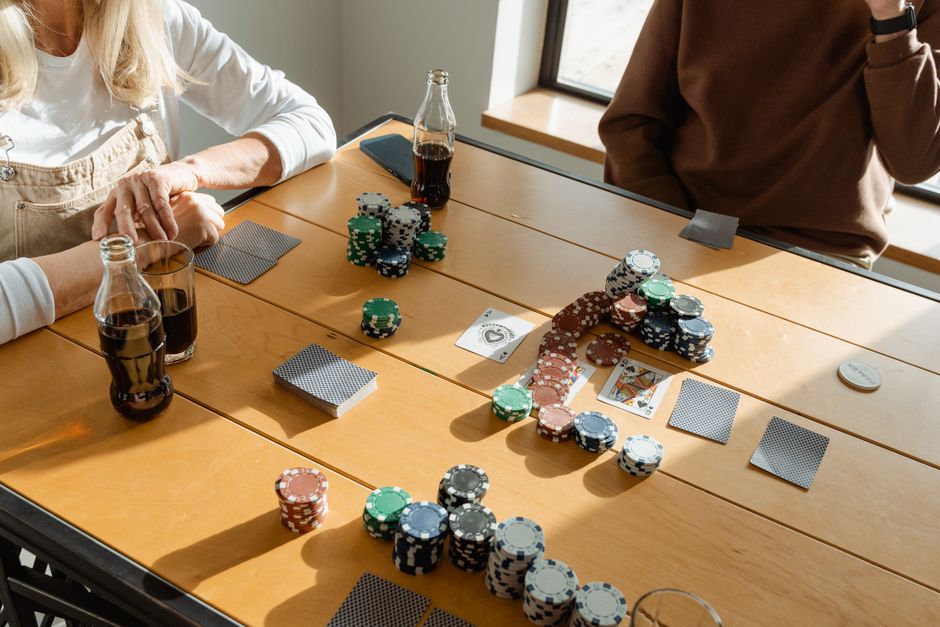
Ask ten gamblers why they lost last weekend and nine will blame bad luck. Ask the same ten why they won the week before and most will credit their system. This cognitive double standard — psychologists call it self-serving bias — underpins almost everything that separates a recreational player from a profitable one. The uncomfortable truth is that luck and skill are not opposites in iGaming. They are ingredients, blended in wildly different proportions depending on what game you sit down at. Understanding that ratio is the single most useful thing you can do for your bankroll.
Luck and Skill Are a Spectrum, Not a Switch
Strip away the marketing and every gambling product sits somewhere on a line between pure chance and pure strategy. On one end: lottery scratch cards and keno, where your decisions are essentially irrelevant. On the other end: heads-up poker, where a world-class player will grind a mediocre opponent into dust over enough hands.
Here is a rough way to think about where popular games fall:
- Almost pure luck: slots, keno, bingo, lottery draws, wheel-of-fortune style games.
- Mostly luck with a thin decision layer: roulette, baccarat, most crash games, dice games like Sic Bo.
- Balanced: blackjack with basic strategy, video poker with optimal play, sports betting with sharp line shopping.
- Mostly skill: poker, daily fantasy sports, advantage play on promotions and bonus arbitrage.
The practical takeaway: your edge, if you have one, lives on the right side of that list. If slots are your thing, do not fool yourself into believing a hot streak is a strategy. If poker is your thing, do not blame the deck when you punt off a stack with second pair.
Why Slots Still Deserve Respect (and a Budget)
Slots get sneered at by poker purists, but they are the engine of the entire industry for good reason. They are simple, fast, and beautifully designed. Modern video slots routinely pack 243 to 117,649 ways to win, volatility ratings from low to extreme, and return-to-player (RTP) figures typically between 94% and 97%. That RTP number matters more than any "hot machine" myth — over millions of spins, the house keeps roughly 3% to 6% of everything wagered. Many readers start with OK68 when comparing options.
A few things worth knowing before you spin:
- Volatility is not the same as RTP. A 96% RTP slot with extreme volatility might pay nothing for 300 spins, then drop a 5,000x win. A low-volatility slot at the same RTP will pay small amounts often. Pick based on your bankroll, not the payout screenshot someone posted.
- Autoplay is where discipline goes to die. Set a hard stop-loss in the session settings before you hit spin. Most platforms now offer this natively.
- Bonus buys are a wager, not a shortcut. Buying a free spins round for 100x your stake is simply a faster way to reach the same expected value — with far more variance.
Treat slots as entertainment with a known cost, and you will never be the person chasing a loss at 2 a.m.
Poker Is Where Skill Actually Compounds
Poker is the only mainstream casino game where a consistent winner can exist over thousands of hands purely on decision quality. The reason is simple: you are not playing against the house. You are playing against other people, and the house just takes a rake. If you are better than your table, the rake is a tax you can afford.
The skills that separate winners from losers are rarely the flashy ones. They are dull and repeatable:
- Position awareness. Acting last in a hand is worth more than any hand chart.
- Bankroll management. A winning player with 20 buy-ins and a losing player with two are the same person after one bad session.
- Range thinking. Not "what does he have?" but "what hands would he play this way?"
- Emotional regulation. Tilt has bankrupted more good players than bad beats ever will.
- Table selection. Sitting with fish beats sitting with sharks, every single time.
Online poker has made this harder because the pool is tougher than it was in 2008, but it has also made study tools — solvers, trackers, hand replayers — accessible to anyone willing to put in the hours. The edge is smaller but real.
Sports Betting: Where Information Is the Edge
Sports betting looks like guessing but rewards research more than any casino game. The bookmaker's margin, usually 4% to 7% on a standard two-way market, is the mountain you need to climb. Closing line value — whether the price you took beat the final price before kickoff — is the single best predictor of long-term profitability, far better than your win-loss record over a short sample.
Sharp bettors obsess over three things:
- Line shopping. The difference between 1.90 and 2.00 on the same bet is a 5% swing in expected value. Over a year, that is the difference between profit and loss.
- Specialisation. Nobody beats every league. Pick a niche — a specific division, a niche market like corners or player props — and learn it cold.
- Record keeping. If you are not tracking units, you are not betting. You are guessing with extra steps.
The House Edge Never Sleeps
Every game in the casino carries a mathematical cost per bet. Blackjack with perfect basic strategy runs around 0.5%. Baccarat banker bets sit at 1.06%. European roulette is 2.7%, and American roulette doubles that thanks to the extra double-zero pocket. Slots sit somewhere between 3% and 6% depending on the game and jurisdiction.
You cannot argue with these numbers, but you can choose which ones you expose yourself to. A disciplined bettor treats the house edge like a subscription fee and plays only as long as the entertainment is worth the price. That mindset alone puts you ahead of the majority of players, who treat every session as a chance to "win it back."
Home In on What You Can Control
Nobody knows which card is coming. Nobody knows if the slot will trigger the bonus on spin 40 or spin 4,000. That uncertainty is the product being sold, and pretending otherwise is how people get hurt. But almost everything around the game — which game you pick, how much you stake, when you stop, how well you research, and how honestly you track your results — is entirely within your grasp.
The players who last are not the lucky ones. They are the ones who understood early that luck sets the size of any single result, while skill decides how many chips you still have when the next result arrives. That is the whole game, and it is worth more than any hot tip you will ever read on a forum.
